- All
- Product Name
- Product Keyword
- Product Model
- Product Summary
- Product Description
- Multi Field Search
English

Views: 0 Author: Site Editor Publish Time: 2026-08-03 Origin: Site
Choosing between motor types goes far beyond reading basic technical specifications. It represents a critical business decision for your engineering department. Your choice deeply impacts system longevity, thermal efficiency, and overall operational budgets. Many engineers immediately lean toward variable models. They value their advanced control features and modern adaptability. However, defaulting to them often leads to severe over-engineering. You risk adding unnecessary maintenance overhead to otherwise straightforward mechanical systems. You must carefully balance these complex capabilities against your actual daily operational demands. We have structured this evidence-based comparison to provide immediate clarity. System designers, maintenance managers, and procurement engineers can use this guide. It will help you align motor capabilities with specific, real-world load profiles. You will learn exactly how internal mechanics influence daily performance. We will also explore how these choices dictate long-term reliability. Our ultimate goal is to help you make scientifically sound and budget-conscious hardware specifications.
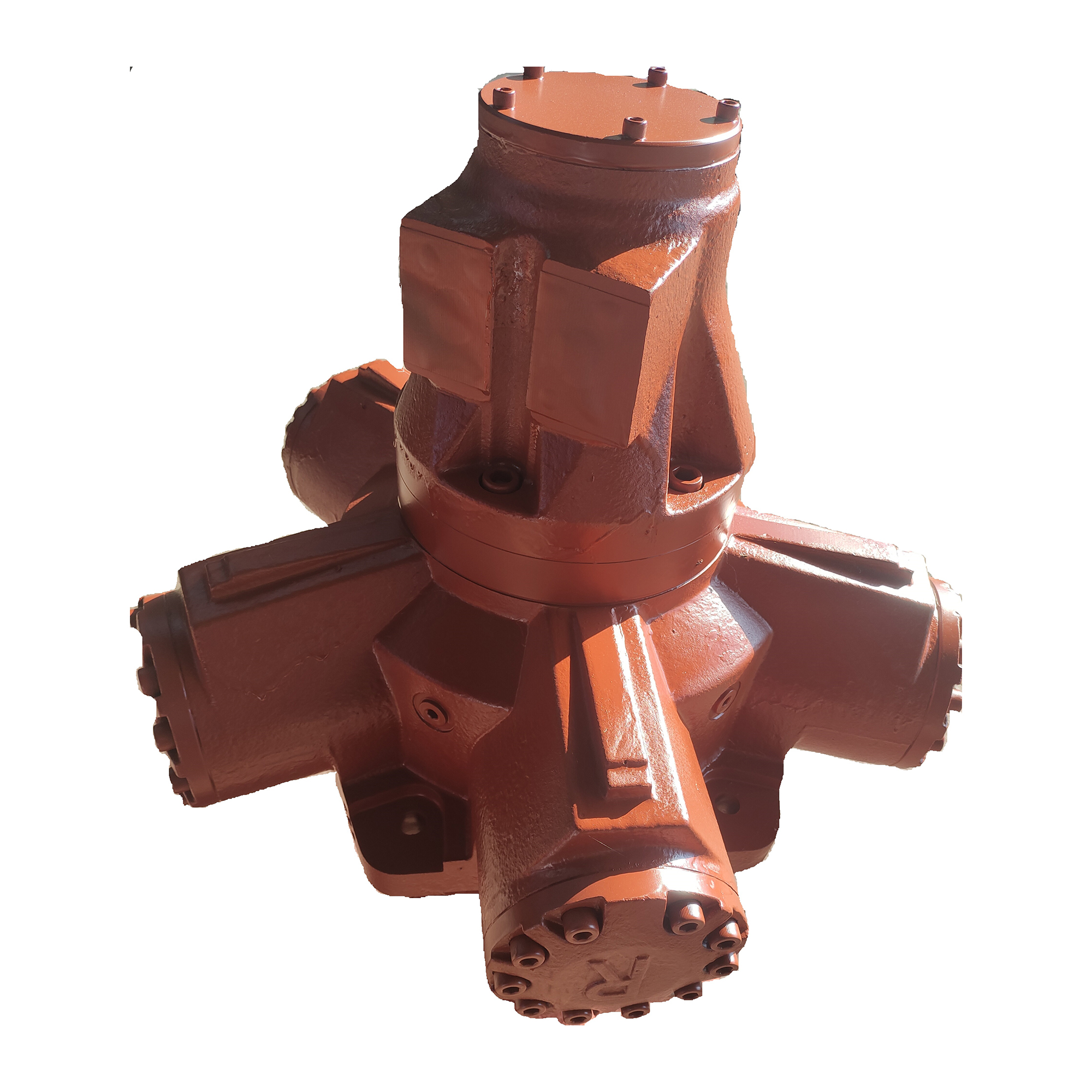
A fixed displacement hydraulic motor delivers a constant volume of fluid per revolution, making it highly reliable and cost-effective for steady-state applications.
Variable displacement motors adjust their internal geometry (e.g., swashplate angle) to optimize torque and speed dynamically, offering superior energy efficiency in fluctuating load environments.
TCO evaluation must weigh the lower initial Capex and robust durability of fixed motors against the operational energy savings and complex maintenance requirements of variable models.
System contamination sensitivity is significantly higher in variable motors, requiring stricter filtration standards and driving up hidden integration costs.
We must first examine the operational realities of both designs. Their foundational mechanics determine exactly how they behave under physical load. Understanding fluid dynamics at this level prevents costly specification errors down the road.
A Fixed Displacement Hydraulic Motor operates on a highly predictable, immutable principle. Output speed remains strictly proportional to input fluid flow. Meanwhile, output torque stays strictly proportional to your system pressure. You cannot change the internal displacement volume per revolution. The physical size of the internal gear, vane, or piston chambers remains entirely constant.
This creates several inherent engineering advantages for heavy industry applications. The mechanical simplicity stands out immediately during routine maintenance cycles. These units feature far fewer moving parts than their variable counterparts. You do not have to worry about complex pilot pressures or sensitive electronic feedback loops. You gain predictable, highly stable baseline performance across the entire operational cycle. Operators can rely on this stability for continuous-duty tasks. It guarantees a specific pump flow will always result in a specific shaft RPM.
Variable models operate using a completely different mechanical philosophy. They utilize dynamically adjustable internal geometry. Engineers typically achieve this using a movable swashplate or a specialized bent-axis design. This adjustable displacement allows operators to manipulate performance mid-cycle.
You can maximize torque at exceptionally low speeds. Conversely, you can maximize speed at much lower torques. You achieve this dynamic shift without altering the main pump's fluid flow rate. However, this impressive flexibility introduces a clear engineering trade-off. Increased internal complexity introduces new potential failure points into the hydraulic circuit. Actuators, control pistons, and sensitive feedback linkages require precise factory calibration. They demand rigorous, scheduled maintenance to function correctly over time. If a single control piston sticks, the entire machine loses its operational efficiency.
Performance metrics highlight the most dramatic differences between these motors. We must look closely at speed, torque, and thermal management. These operational factors dictate the daily working envelope of your heavy machinery.
A fixed unit remains securely locked into a single performance curve. You get a specific amount of torque for a given pressure input. If you need more speed, you must physically increase the fluid flow from the primary pump. This rigid relationship works perfectly for static, predictable loads. However, it limits flexibility in highly dynamic environments. You cannot easily optimize the power output without wasting energy.
We can contrast this strict limitation against variable motors. They provide an incredibly broad constant-power range. They adapt seamlessly to dynamic, rapidly changing operator demands. Vehicle traction drives represent a perfect real-world example of this capability. A heavy machine needs massive torque to start moving from a dead standstill. Once rolling, it needs high speed at a very low torque. Variable systems handle this complex transition smoothly. They constantly adjust their internal swashplate angle to match physical resistance exactly.
Thermal dynamics play a massive role in hydraulic system longevity. Running a fixed motor in a variable-load system creates harsh thermal realities. You often must rely on pressure relief valves to manage excess fluid flow. Pushing pressurized fluid over a relief valve generates massive amounts of detrimental heat. You waste valuable energy by turning fluid pressure directly into thermal friction.
Over time, this baked-in heat severely degrades rubber seals. It also chemically breaks down your expensive hydraulic fluid, lowering its essential viscosity. Variable models actively reduce this energy waste at the source. They draw only the exact fluid volume necessary for the immediate task. This drastically extends the life of your hydraulic fluid. It prevents rapid thermal breakdown and significantly reduces the burden on your auxiliary cooling systems.
Performance Metric | Fixed Design | Variable Design |
|---|---|---|
Torque & Speed Output | Locked to a single curve | Broad constant-power range |
System Heat Generation | High (relies on relief valves) | Low (draws only needed flow) |
Energy Optimization | Moderate (best for steady loads) | High (adapts to dynamic loads) |
Auxiliary Cooling Demand | Requires larger capacity | Requires smaller capacity |
Financial evaluations require looking far past the initial purchase price. You must weigh upfront capital expenditures against long-term operational maintenance realities. A cheap motor becomes astronomically expensive if it continuously breaks down.
You need a clear framework for calculating your return on investment. A variable unit carries a significant premium price tag upfront. When does the energy savings actually justify this heavy initial investment? It usually makes financial sense in high-duty-cycle applications. If your machine runs continuously under drastically fluctuating loads, energy savings accumulate quickly.
You consume significantly less diesel fuel or electrical power. This rapid payback eventually justifies the expensive hardware. Conversely, steady-state applications rarely recoup the higher upfront costs. A rock crusher running at one continuous speed all day gains absolutely zero financial benefit from complex variable mechanics.
We must objectively examine the physical ruggedness of both equipment options. A fixed design excels in harsh, high-vibration industrial environments. Its mechanical simplicity translates directly into brute-force durability. It easily shrugs off daily abuse, hydraulic shock loads, and rough operator handling.
Variable models carry distinct and often ignored hidden operational costs. They demand extremely strict ISO cleanliness codes (like ISO 4406) for your hydraulic fluid. Microscopic debris will easily jam their sensitive control pistons and tiny internal orifices. Furthermore, they require complex control system diagnostics when issues inevitably arise. You cannot simply swap a standard shaft seal and return to work. Rebuild costs run significantly higher due to precision lapping and calibration needs. You must rigorously factor these exact maintenance realities into your departmental budget models.
Proper component selection relies on matching technical traits to real-world demands. You can use the following framework to guide your purchasing specifications effectively.
You should opt for a simpler, fixed design in specific industrial scenarios.
Ideal load profiles: Constant-speed conveyors, large industrial fan drives, simple winches, and massive street sweeper brushes.
Budget parameters: Capital budget constraints remain exceptionally tight for the equipment build.
Load predictability: The machine handles highly predictable, steady-state loads without sudden, aggressive torque spikes.
Operational environment: The working environment is highly contaminated, dusty, or subject to heavy physical vibration.
Advanced applications demand flexible internal geometry to function properly and efficiently.
Ideal load profiles: Heavy earthmoving equipment like large excavators, trenchers, and articulated wheel loaders. They also suit heavy industrial automation and complex hoisting systems.
Control needs: The application strictly requires infinite speed control under wildly varying external load conditions.
Circuit design: You have complex, multi-function hydraulic circuits sharing a single main power pump.
Efficiency mandates: The overall project features extremely strict energy-consumption limits or strict emission regulations.
Even perfect hardware choices can fail spectacularly during system integration. You must anticipate common rollout challenges before your technicians start turning wrenches.
Engineers frequently fall into the dangerous trap of over-engineering their systems. They select a highly complex variable motor entirely unnecessarily. In many practical cases, an alternative architecture works much better.
Pairing a highly reliable fixed displacement motor with a variable displacement main pump achieves excellent results. This specific setup achieves the exact same overall system efficiency. However, it does so at a drastically lower initial capital cost. It keeps the motor itself mechanically simple and incredibly robust. This matters greatly because motors often sit in exposed, harsh locations on the machine chassis.
You must honestly evaluate your current electrical control infrastructure. Variable units often require highly precise proportional electronic controls. These complex digital interfaces manage the dynamic swashplate angles via CAN bus signals or closed-loop PID controllers. Fixed models simply rely on rugged, conventional bang-bang directional valves.
Before upgrading your system, perform a strict implementation check. Review your existing hydraulic power units (HPUs) thoroughly. Ensure they possess the necessary auxiliary cooling capacity to handle potential pressure spikes. Verify they meet the much stricter filtration capabilities required for variable systems. A failure to upgrade filtration guarantees a rapid, catastrophic motor failure.
Our deep analysis reveals a clear, undeniable foundational truth. Neither motor type is objectively better than the other in a vacuum. Proper component selection relies entirely on the mathematical realities of your application's load cycle. You must base your final engineering decision on concrete operational data rather than assumptions.
We strongly recommend conducting a strict duty-cycle analysis immediately. Do this long before defaulting to highly complex variable systems. Understand your peak torque loads, continuous operating speeds, and maximum thermal limits first. Take proactive action today to protect your long-term heavy equipment investments. Consult with our expert engineering team to audit your current hydraulic circuit diagrams. You can also request a specialized spec-matching consultation. We will help you guarantee optimal daily performance and maximum long-term reliability.
A: Yes, but you must complete a thorough system audit first. It requires verifying your existing system filtration capabilities. You will likely need to modify your electronic control circuits entirely. You must also ensure the main hydraulic pump can handle rapid, dynamic demand changes without experiencing damaging internal cavitation.
A: Overheating usually occurs when the system operates at partial loads. Because the motor cannot adjust its internal volume, excess flow is constantly forced over a pressure relief valve. This mechanical restriction rapidly converts wasted fluid energy directly into detrimental system heat.
A: They are not inherently less reliable, but they do possess much tighter internal tolerances. They utilize significantly more moving parts. This mechanical complexity makes them highly sensitive to fluid contamination and improper maintenance routines compared to their rugged, fixed-displacement counterparts.